
Sentinam Liquid Movement Solutions is a UK-based company headquartered in Leeds. We are a leading provider of advanced liquid handling and fluid management technologies, from pump equipment supply to full process and filtration equipment solutions.
Specialising in the design, manufacture, and integration of cutting-edge process systems, we deliver tailored process fuel oil filtration, utlising high-quality and performance pump and valve solutions to industries including pharmaceuticals, food and beverage, oil and gas, lubrication and discharge metering systems.
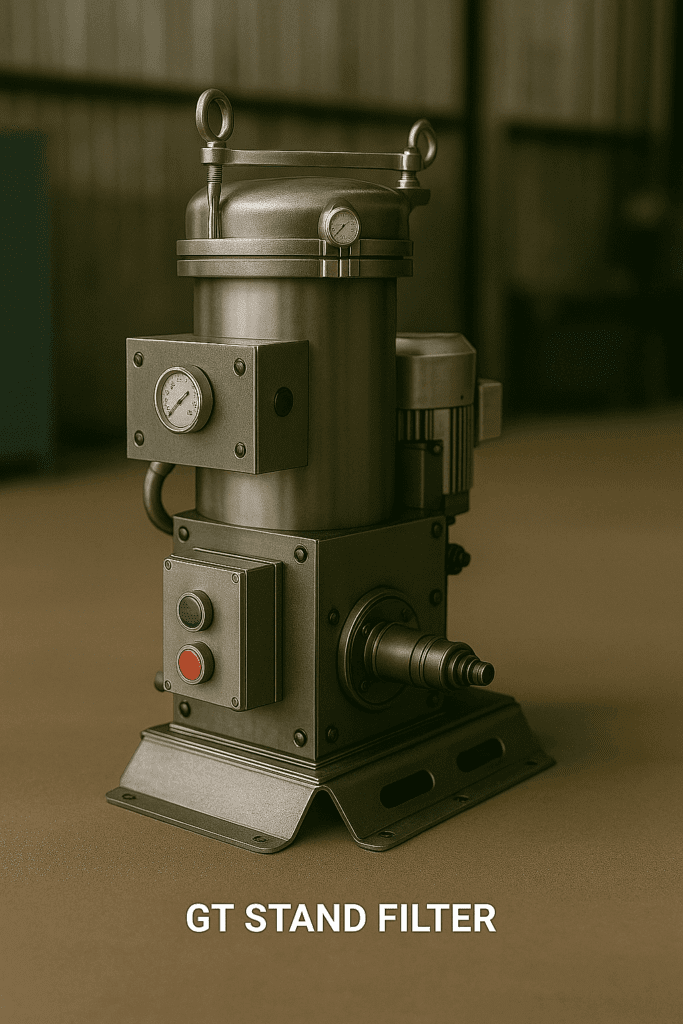

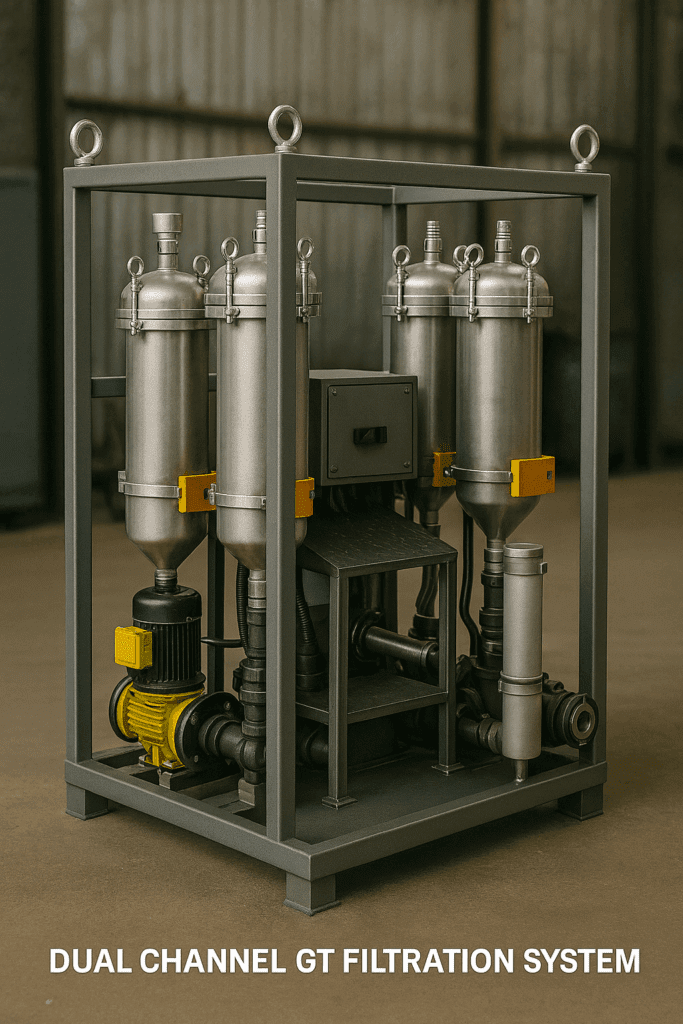
Fuel Conditioning and Management Sector Services
At Sentinam, we specialise in delivering tailored fuel filtration equipment solutions for both transport and stored land-based applications. With years of experience in the fluid pumping industry, we work closely with our clients to design, size, and implement the most suitable filtration equipment solution to ensure fuel quality exceeds ISO4406 and EN590 standards, ensuring the design and delivery of systems that meet your plant and performance needs.
Ensuring fuel reliability is critical for transportation, emergency backup power systems, including data centres and critical infrastructure facilities, transportation and industrial markets. Sentinam’s GT range of fuel filtration skid systems provide scalable, efficient, and automated solutions to ensure stored diesel meets ISO 4406 and EN590 compliance standards.
Our filtration equipment targets a standard of fuel cleanliness level of 18/16/13 per ISO 4406, with performance data of 12/9/6 through our kidney loop process system.
Why Reliable Fuel Matters
Stored diesel is at constant risk of particulate, water, and microbial contamination. Our Fuel Conditioning and Management Programme removes contaminants and ensures uninterrupted, clean fuel delivery.
We tackle the three main forms of diesel contamination: Solid particulates, water and microbial growth.
Project Approach
We ensure a meticulous approach with the utilisation of state-of-the-art equipment with time-tested techniques to deliver exceptional results.
Here’s a step-by -step breakdown of our comprehensive and suggested fuel polishing implementation process route. Our field engineering teams can provide full onsite project work for all applications.

Step 1: Sampling
Before beginning, we request that precise fuel samples from your storage tank to assess contamination levels.
Our analysis covers:
Particulate Contamination: Identifies debris and particles that could clog fuel system components to ISO4406 ratings.
Microbial Contamination: Detects harmful microorganisms like diesel bug.
Water Content: Measures moisture levels to prevent corrosion and microbial growth.
FAME Levels: Assesses the percentage of Fatty Acid Methyl Esters in biodiesel blends, ensuring compliance with equipment manufacturer recommendations.
Sulphur Content: Verifies sulphur levels align with regulatory limits and environmental requirements.
This enables a detailed and accurate analysis report on the quality of fuel and suggested targeted remedial actions if required. This is the most commercially viable and precise way on establishing fuel quality specifications.
If it’s not broke: we don’t fix it.

Step 2: Analysis
From the fuel sample testing and analysis report outcome, we welcome your team to communicate with our independent laboratory technicians to evaluate the report, we then work with the end customer to determine the best remedial course of action if needed.
We suggest a visual tank Inspection to identify any structural issues or contaminants (e.g., sludge or rust) that could impact the fuel. If necessary, from inspection, we recommend or provide additional services such as tank cleaning to ensure optimal performance.
Our goal is to provide a long-term
high-performance solution.

Step 3: Implementation
Implementation of a correctly sized fuel filtration system.
Ensuring the filtration skid is sized correctly for the application, we utilise high-quality pumps and a technically advanced multi-stage filtration system with a pre-filter, 3-micron, and then coalescer filtration units. We circulate your fuel through our GT filtration skids. These units can be portable or a fixed design for long-term use.
This step removes contaminants such as:
Water: Extracted to prevent corrosion and microbial growth.
Particulates: Eliminated to avoid injector and fuel system blockages.
Microbial Contamination: Addressed to restore fuel integrity.
Our equipment operates at high efficiency, ensuring even large volumes of fuel are processed quickly and effectively.

Step 4: Review
After the fuel polishing process is complete, we again complete analysis tests to verify that your fuel meets or exceeds industry standards, including:
Particulate Contamination Levels (ISO 4406): Ensures fuel cleanliness.
Microbial Levels: Confirms eradication of harmful organisms.
Water Content: Ensures minimal moisture remains.
FAME and Sulphur Levels: Verifies compliance with environmental and operational requirements.
We provide comprehensive, detailed reports, ensuring complete confidence in the integrity and quality of your fuel.
Additional Alliance Company Services we Offer :
- Storage tank OFTEC inspection, testing and calibration.
- Tank cleaning and fuel sampling/testing.
- Metering equipment solutions.
- Site installation and service agreements.